Skip to content
September 2, 2026

Best Places to Build a Custom Home in Iowa

Origin Homes

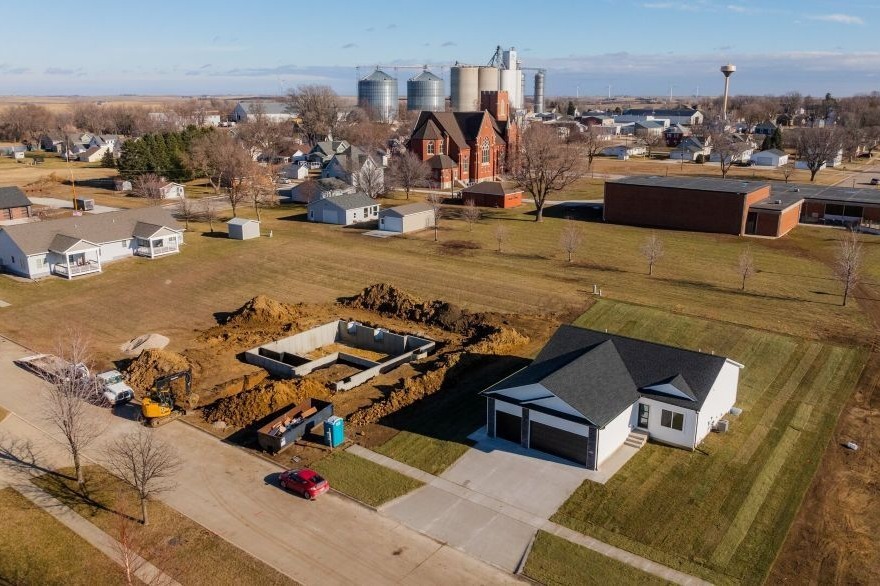
Aerial view of a custom ranch-style home on a lot in town in Templeton, Iowa

Statewide guide to the best Iowa regions and towns for building a custom home with Origin Homes.

Best Places to Build a Custom Home in Iowa

What this guide covers

  • Why more Iowa buyers are choosing small towns, acreages, and regional hubs.
  • How key regions of Iowa differ for custom homes and land options.
  • Practical questions to help you compare counties before you buy land.
  • FAQs for families and empty nesters planning a custom build anywhere in Iowa.
TOC
Table of Contents

1Why So Many Iowa Buyers Look Beyond Big Metros

If you want to build a fully custom home in Iowa, you do not have to choose between a big subdivision in Des Moines or nothing. Across all 99 counties, buyers are putting homes on their own land near Decorah, Spencer, Glenwood, Knoxville, Indianola, Monroe, Pleasantville, Adel, and dozens of other towns. The “best” place is the one that fits your budget, commute, and how you actually want to live.

From the northwest corner near Sioux City and Le Mars, down to Council Bluffs and Shenandoah in the southwest, across to Pella, Fairfield, and Mount Pleasant in the southeast, and up through Decorah, Waukon, and Elkader in the northeast, the same pattern keeps showing up: People want room, a bit of quiet, and a house that fits their routines — not a plan pulled from a national catalog.

This article anchors our Local Communities cluster and goes along with our Best Places to Build a Custom Home Near Des Moines Iowa and Building a Custom Home in Small-Town Iowa: What Rural Buyers Should Know article for a deeper dive on rural life.

Across Iowa, buyers tend to fall into two groups. Move‑up families often look for good schools and manageable commutes into places like Des Moines, Cedar Rapids, Iowa City, Sioux City, or Council Bluffs. Empty nesters and farmers often care more about staying close to their ground, their church, and their grandkids, whether that’s in Decorah, Atlantic, Chariton, or a gravel road outside Knoxville. Origin’s job is to help you see how each region and town lines up with those goals before you lock in land or layout.

2Iowa Regions: How Towns and Counties Differ for Custom Homes

A helpful way to think about “best places” is by region. Within each part of Iowa, you will find a mix of regional hubs, small towns, and true countryside. The right spot for your custom home may be a few miles outside any city limits.

Northwest and North‑Central Iowa

Counties like Woodbury, Plymouth, Buena Vista, Clay, Cerro Gordo, and Franklin offer a spread of options. Around Sioux City and Le Mars, you will see acreages tucked along paved roads and near small towns like Sergeant Bluff or Hinton. Farther east, Spencer, Storm Lake, and Mason City serve as regional anchors with nearby rural townships and lakeside lots. If you work in agriculture, manufacturing, or healthcare in this part of the state, your best bet is often a few acres just outside towns you already drive to every day.

Northeast Iowa

In Winneshiek, Allamakee, Fayette, and Clayton counties, the landscape itself is a draw. Decorah, Waukon, Elkader, and West Union sit in rolling country that lends itself to walkout basements, wooded acreages, and hilltop views. Many Origin‑style buyers in these counties want modest, efficient homes that let the land shine. County road access, snow drifting, and driveway grades matter here; it is worth studying site plans and county guidance on driveways and erosion. Site‑plan explainers that cover Iowa’s permitting structure, like Site Plan Requirements in Iowa for Building Permits, give a sense of what counties look for.

Central and South‑Central Iowa

This region includes familiar names like Knoxville, Indianola, Monroe, Pleasantville, Adel, and Winterset, along with Ames, Nevada, Marshalltown, Chariton, and Osceola. Here you can choose between small‑town lots in places like Pleasantville or Monroe, acreages in Warren, Madison, Marion, Dallas, and Story counties, or more suburban edges near Polk City or Mitchellville. Many Origin buyers in this band want to keep a manageable commute into the Des Moines metro while living in a district that feels more personal.

Eastern and Southeast Iowa

Johnson, Linn, Washington, Jefferson, Henry, and Lee counties mix college‑town life with strong small towns. Rural land near Iowa City and Cedar Rapids can be competitive; many buyers look south to Kalona, Wellman, Williamsburg, Fairfield, or Mount Pleasant for calmer streets and more land. As in other regions, you will want to think through rural water and private wells, septic rules, and driveway access.

Southwest Iowa and Missouri River counties

Pottawattamie, Mills, Cass, Page, Union, and Ringgold counties offer a quiet alternative for people tied to Council Bluffs, Omaha, or Creston. Towns like Glenwood, Atlantic, Red Oak, and Mount Ayr have long histories of acreage living — shops, barns, and machine sheds alongside right‑sized homes. Here, as in much of Iowa, you will work with your county on driveway and septic approvals. The Iowa Department of Natural Resources explains how private sewage systems are regulated statewide and why soils and setbacks matter: Private Sewage Disposal and Septage.

Wherever you look, the same principle applies: Start with your everyday life — where you work, worship, shop, and gather — then let that guide which counties and towns make the most sense for your custom home.


FAQs

Practical questions about choosing where to build in all 99 counties

Q: How do I start narrowing down 99 counties to a short list?

A: Begin with where you already spend time. List your likely work centers (Des Moines, Sioux City, Cedar Rapids, etc.), then draw 25–40‑minute circles around them. Within those circles, highlight towns that match your school and community preferences — maybe Decorah, Spencer, Knoxville, Indianola, Monroe, Pleasantville, Adel, Fairfield, or Glenwood. That becomes your realistic search area.

Q: Are rural acreages cheaper than in‑town lots?

A: Sometimes the land itself is cheaper per acre, but wells, rural water connections, septic systems, and long drives add cost. In many Iowa counties, you will put more dollars into the house on in‑town lots and more into site work on open ground.

Q: How much do county rules vary?

A: Quite a bit. Most counties require permits for driveways, septic systems, and new homes, but specific setbacks and processes differ. Origin works with county staff wherever you build to keep your project aligned with local expectations.

Q: Do I need to understand every regulation before I pick a county?

A: No. You just need to know enough to ask good questions. Resources like Iowa’s DNR septic overview and site‑plan guides help; Origin will translate those into plain language for your location.

Q: Where should I read next?

A: Use this guide as your statewide hub, then read Building a Custom Home in Small-Town Iowa: What Rural Buyers Should Know.

Latest from the Blog

Discover expert resources for building a custom home in Iowa. Explore guides on construction loans, acreage builds, rural living, floorplan design, land selection, and the custom home process with Origin Homes.

Custom Home Education
Plan Land, Budget, and Design Together from Day One
4 min read | September 17, 2026
Floorplan Education
Ranch vs. 1.5-Story vs. 2-Story, Which Floorplan Is Right for You?
4 min read | September 11, 2026
Energy Efficiency
Energy-Efficient Custom Homes in Iowa: A Practical Guide