
.png?width=880&height=587&name=2249%20Yates%20Ave_Marshalltown_Fuller_Origin%20Homes_April%202026_grass-edited%20(1).png)
A practical, start-to-finish guide for building a fully custom home on your own Iowa land, from first idea through move-in.
Building on Your Iowa Land: Start-to-Finish Guide
A practical, start-to-finish guide for building a fully custom home on your own Iowa land, from first idea through move-in.
1Evaluate Your Iowa Land and Prepare it for a Custom Build
What this guide covers
- How to tell if your Iowa land is ready for a custom home.
- The major steps of building on your lot, from first idea to move-in.
- How budget, financing, and contracts work when you already own or are buying land.
- Key permits, inspections, and county rules that affect rural and small-town sites.
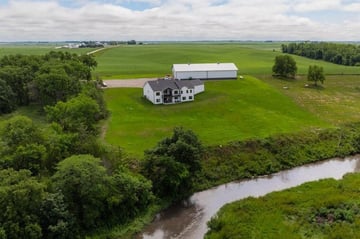
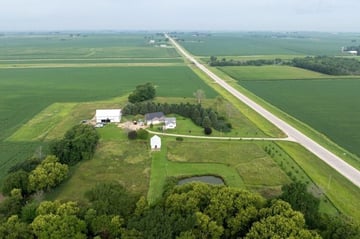
If you already own land in Iowa — or you are dreaming about an acreage outside a town such as Atlantic, Dyersville, or Lamoni — the idea of building a custom home on that ground can feel both exciting and overwhelming. The good news is that when you take it step by step, the process is manageable. Building on your land in Iowa means confirming the site can support a house, planning your budget with site work included, designing a home that fits your ground and season of life, and working through permits and construction in an organized way with a builder you trust.
In simple terms, building on your own land in Iowa looks like this: You and your builder walk the property to study access, slope, drainage, and utilities; you align an all-in budget with a local lender; you design a floor plan and site plan that fit both your acreage and your routines; and you move through permitting, construction, and warranty with clear communication. Outside guides that explain the custom-build process in Iowa, like this step-by-step checklist from a Cedar Rapids–area design–build team, back up that basic sequence: Custom Build Checklist from Land to Final Walkthrough.
The first stage is confirming that your land is truly buildable. On rural ground, that means more than just liking the view. Together we look at how a driveway would safely meet the county road, where water naturally drains, how steep the slopes are, and what kind of well and septic system your county will allow. Articles written for Iowa acreage buyers echo these same checks, especially around wells, septic systems, and utility access; this piece on overlooked acreage due diligence is a useful example: 6 Overlooked Checks When Buying Acreage Properties in Iowa.
As we evaluate the land, we are also thinking about how the home will sit on it. A gently sloped site near Knoxville might lend itself to a walkout ranch that opens toward evening light. A more compact parcel on the edge of small-town Odebolt might call for a two-story plan to leave room for yard and garden. External guides on site-plan requirements in Iowa, such as this overview of how cities and counties use site plans to review access, drainage, and septic, give a sense of what your local reviewers will expect to see: Site Plan Requirements in Iowa for Building Permits. We translate those technical expectations into a simple, practical site layout for your property.
From there, we connect your land to the broader Origin education hub. This guide is designed to sit alongside Custom Home Budgeting in Iowa: 2026 Guide and A True Custom Guide for Origin Buyers as the pillar resource for the Build on Your Lot cluster. Those pieces explain what a true custom home is and how land, budget, and builder choice work together statewide; this one focuses on the nuts and bolts of what happens when you already have (or are actively shopping for) Iowa land of your own.
2Budgeting, Financing, and Contracts for Building on Your Land
Once you understand the big picture of building on your land in Iowa, the next question is simple and practical: How do the numbers work, and who is responsible for what? Getting honest about budget, financing, and contracts up front is the best way to avoid stress later.
Start with your all-in comfort range, not just the house price. For most Origin buyers, that total budget includes the cost of land, site work (driveways, wells or rural water, septic, grading, utilities), the home itself, and a cushion for landscaping or outbuildings you may tackle after move-in. For many move-up families and empty nesters building in rural Iowa, that combined range often falls between about $600,000 and $900,000. Your specific numbers may sit above or below that, but having a range written down gives everyone a clear target.
From there, we help you divide that number into buckets. How much can comfortably go toward land without starving the house budget? What will it realistically cost to bring power, water, and a safe lane to your building site? Independent guides that break down Iowa home-building costs, like this 2026 overview of what it costs to build a custom home here, can be helpful background reading as you think through those buckets: How Much Does It Cost to Build a Custom Home in Iowa in 2026?. We then ground those broad ranges with current bids from similar Origin projects around the Des Moines area and rural towns like Prole, Aurelia, or Mingo.
Financing a home on your land looks a little different than financing a spec home in a subdivision. Most Origin clients use a construction-to-permanent loan, which funds land payoff (if needed), site work, and construction draws, then converts to a standard mortgage at the end. A good local lender will walk you through how your income, debts, and down payment translate into that all-in budget number. Outside resources written specifically for owner-builders in Iowa, such as this permit and financing guide, explain how banks view construction loans and why detailed plans and estimates matter: Iowa Owner-Builder Permit Guide. Even if you are not acting as your own general contractor, it is useful context when you talk with your lender and builder.
Once budget and financing are clear, the contract sets expectations. A strong construction agreement for a custom home on your land should lay out scope, allowances, site-work assumptions, a realistic schedule, and how change orders are handled. When you compare builders, do not just look at the bottom-line price — look closely at what is included and excluded. Are wells, septic systems, and long rural driveways spelled out? Are allowances for cabinets, flooring, and lighting realistic for your price point? Educational pieces that explain how Iowa contractors structure estimates and contracts, like this pricing overview, can sharpen your eye: Iowa Contractor Pricing, Bids, and Estimates.
At Origin, we prefer fixed-price contracts whenever possible because they give you a solid number to plan around. We build those numbers from current trade bids and clear assumptions about your site. Where unknowns exist — rock underground, unusual utility runs, or future owner choices — we call them out directly and explain how they would be priced if they come up. You will also see written change orders for any choices you make mid-stream so you are never guessing what a decision will do to the final total.
All of this might sound detailed, but the heart of it is simple: honest numbers, in writing, for the specific land you own or hope to buy. When we line up land cost, site work, house price, and allowances with your construction loan, you can move forward knowing the project fits both your bank’s expectations and your own comfort level.
3Next Steps for Iowa Landowners
Even with a clear process and solid numbers, building on your own land in Iowa always raises more questions. The last piece of this guide is a straightforward FAQ you can keep handy as you think, talk, and plan. These answers are written for independent-minded buyers in rural Iowa who want plain language, not sales talk.
4Build On Your Land Downloadable Guide
Your guide to building a custom home on your land. A simple roadmap for turning your Iowa land into the home you've always imagined.
Fill out this form to receive a copy of our "Build On Your Land" guide for your simple roadmap for turning your Iowa land into the home you've always imagined.
FAQs
Q: Do I need to own land before I talk with Origin?
A: No. In many ways, the best time to talk with us is while you are still shopping. We can help you think through commute times, school districts, county rules, and what different parcels will mean for wells, septic, and driveway costs. When possible, we will even walk short-listed properties with you before you write an offer.
Q: How long does it take to build a custom home on my land in Iowa?
A: Most Origin projects take eight to 12 months from permit to move-in, plus extra time on the front end for land due diligence, design, and financing. External guides that walk through the custom home process in Iowa, such as this step-by-step overview, confirm that timeline: The Custom Home Building Process in Iowa: What to Expect From Lot to Keys. Weather, trade availability, and site conditions can all shift timing, and we will talk openly about those factors before you commit.
Q: What if my land is in a different county than where I live now?
A: That is common. Many Origin buyers commute from small towns into Des Moines or another metro job center. The key is understanding which jurisdiction controls permits and inspections. External resources on Iowa residential construction regulations, like this plain-language guide, can help you see how county and city rules interact: Navigate Iowa Residential Construction Regulations with Ease. We will then work directly with your specific county or city to keep your project compliant.
Q: Can I act as my own general contractor if I want to?
A: Iowa law allows owner-builders in some situations, but trade licensing and code requirements still apply. For most families and empty nesters, the learning curve and risk of managing multiple trades, inspections, and schedules on their own is more than they want to take on. Resources like this owner-builder permit guide explain the rules; we encourage you to read it and then decide whether you would rather have a seasoned partner handle the details: Iowa Owner-Builder Permit Guide.
Q: Where should I read next if I am just beginning to explore?
Latest from the Blog
Stay up to date with our latest insights, tips, and industry news.
1.jpeg?length=360&name=Origin_Pothoff_Photos_5-17%20(3)1.jpeg)