

Skip to content
August 26, 2026

Inside the Origin Iowa Custom Home Process

Origin Homes

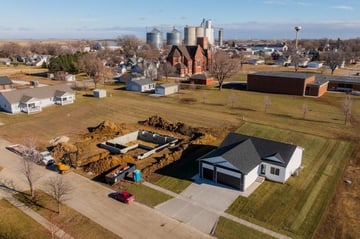
Custom Iowa home under construction on a rural acreage at golden hour, with framing, gravel drive, and surrounding fields.

A straightforward guide to every major stage in Origin’s Iowa custom home process, from first meeting through permits, construction, and warranty.

Inside the Origin Iowa Custom Home Process

If you want to understand how a fully custom home on your land actually comes together in Iowa, the process with Origin is straightforward: We start with your land and goals, move through design and honest budgeting, then build your home in clear stages until you are walking through a finished, inspected house with keys in hand. Every step is shaped around Central and rural Iowa — our soils, codes, weather, and the way people really live from Storm Lake to Burlington.

This guide walks you through what happens when you choose a true custom, build-on-your-land partner instead of a production builder. Whether your acreage is outside Fort Dodge or you are eyeing a small-town lot in Monticello or Menlo, the sequence is the same: listen first, plan carefully, then build with steady communication from day one through warranty.

What this guide covers:

  • The main stages in Origin’s custom home process in Iowa.

  • How land, design, and budget come together before you ever break ground.

  • What happens during construction, inspections, and walkthroughs.

  • Where local codes, Iowa DNR guidance, and county rules fit into the picture.

TOC
Table of Contents

1From First Conversation to a Signed Build Agreement

The process often starts before you even own land. Many Origin buyers reach out while they are still deciding between an acreage near Earlham, a lot in Indianola, or a small-town parcel in Cresco or Creston. In that first conversation, we talk about your all-in comfort range, your target timing, the schools or communities you care about, and what kind of layout you think you want — ranch, two-story, or 1.5-story.

If you already have land, we schedule a site visit. On a rural parcel, we look at access from the county road, slope, drainage, and potential spots for a well and septic system. The Iowa Department of Natural Resources explains why septic design and soil type matter so much for rural homesites in its overview of private sewage systems: Private Sewage Disposal and Septage. We keep that guidance in mind as we think about where a house, driveway, and system can work together.

Next comes early design and budgeting. We sketch concept plans that respect your site — maybe a walkout ranch on a gentle slope outside Pleasantville, or a compact two-story on a deeper in-town lot near the elementary school. At the same time, we build a realistic budget that separates land, site work, and the home itself. Independent Iowa process guides, such as The Custom Home Building Process in Iowa: What to Expect From Lot to Keys, echo this sequence: evaluate land, design to fit it, then price in plain language.

With a preferred plan in hand, we coordinate with your lender on a construction-to-permanent loan and produce a detailed estimate. Instead of a single price-per-square-foot number, you see line items for foundation, framing, mechanicals, finishes, and allowances that match how families in the Des Moines area and rural Iowa actually build. Once you are comfortable with the scope and numbers, we move into a fixed-price construction agreement that sets expectations for schedule, communication, and how change orders will work if you adjust scope later.

2Permits, Excavation, and Building a Weather-Tight Shell

After the agreement is signed, Origin prepares drawings for permit review. In Iowa, the state has adopted the 2024 International Residential Code, but local cities and counties handle how it is applied. That means your permit path looks a little different if you are inside city limits in Grinnell versus on a county road outside Le Mars. Resources like Navigate Iowa Residential Construction Regulations with Ease give a good overview of how that authority is split between state, city, and county.

For rural builds, we also coordinate septic permitting through county environmental health and, where applicable, private well or rural water approvals. Many counties — Warren, Marion, Dallas, and others — publish driveway and access standards on their websites, spelling out culvert sizes and sight-line requirements. We work within those county regulations so that your lane, drainage, and house placement are approved before heavy equipment rolls in.

Once permits are issued and the construction loan is ready, we hold a pre-construction meeting on site to review the house location, driveway route, and any trees or features you want protected. Then excavation begins: digging footings and foundation walls sized for Iowa’s frost depth and common clay soils. External guides like How Long Does It Take to Build a Custom Home in Iowa? point out that foundation and framing naturally take a big share of the overall schedule; we plan your calendar with that in mind.

Framing, sheathing, and roofing follow, gradually turning an empty site into a weather-tight shell. During this phase, we schedule a framing walkthrough so you can stand in the future kitchen, check window heights toward that view over your pasture, or verify that bedroom sizes feel right for your kids or grandkids. City or county inspectors complete structural and rough-in checks along the way, and we stay in close contact with them so your project stays on track.

3Finishes, Walkthroughs, Move-in, and Warranty Support

Once the home is dried in and mechanical systems are roughed in, day-to-day activity shifts indoors. Insulation, drywall, trim, cabinets, tile, and flooring come in stages. We keep you updated with regular check-ins so you know when key selections are needed and what to expect on site each week. Independent Iowa resources on managing custom projects, such as Custom Home Building: Effective Project Management Tips, emphasize the value of clear communication and written change orders; Origin follows the same philosophy.

As your home nears completion, we schedule finish walkthroughs. You will see nearly completed spaces — a sunlit great room on your acreage, a practical mudroom off the garage, or the main-level suite you plan to age in place in — and create a punch list of any items that need adjustment. We also walk through how to operate key systems and where to find shut-offs and filters so the first winter feels less intimidating.

Final inspections and a Certificate of Occupancy clear the way for closing. You move in with a straightforward set of warranty documents and a clear point of contact, not a call center. During the first year, homes in Iowa naturally experience small shifts as seasons change; we group non-urgent items so any follow-up visits are efficient and respectful of your time.

By the time you have lived through a full cycle of seasons — from hot July evenings on the back patio to January mornings in a warm, tight house — you have not just “gone through construction.” You have partnered with a builder that understands rural Iowa, county regulations, and the realities of family life in one of Iowa's 99 counties.

FAQs

Q: How long does the full process usually take?

A:  Most Origin projects run eight to 12 months from permit to move-in, plus a few months on the front end for land evaluation, design, and permits. Weather, site conditions, and complexity can all adjust that window.

Q: Do we need to own land before contacting Origin?

A: No. It often works best to talk while you are still comparing lots in places like Knoxville, Indianola, Monroe, Pleasantville, or Adel so we can help you weigh access, utilities, and county rules.

Q: Who handles permits and inspections?

A: Origin prepares plans, coordinates with city or county officials, and pulls the main building and trade permits. Inspectors work for the jurisdiction, but we manage scheduling and any required corrections.

Q: How “custom” can our home really be?

A: Within code and sound construction practices, we can adjust layout, window placement, storage, and finishes to fit your land and routines. You are not limited to preset plans or option packages with Origin Homes.

Q: Where should we read next?

A: Use this guide as your process overview, then explore What Is a Custom Home? Everything Iowa Buyers Need to Know and How Much Does It Cost to Build a Custom Home in Iowa in 2026? for deeper dives on definitions and budgeting.

Latest from the Blog

Discover expert resources for building a custom home in Iowa. Explore guides on construction loans, acreage builds, rural living, floorplan design, land selection, and the custom home process with Origin Homes.

Floorplan Education
Ranch vs. 1.5-Story vs. 2-Story, Which Floorplan Is Right for You?
4 min read | September 11, 2026
Energy Efficiency
Energy-Efficient Custom Homes in Iowa: A Practical Guide
Local Communities
Best Places to Build a Custom Home in Iowa